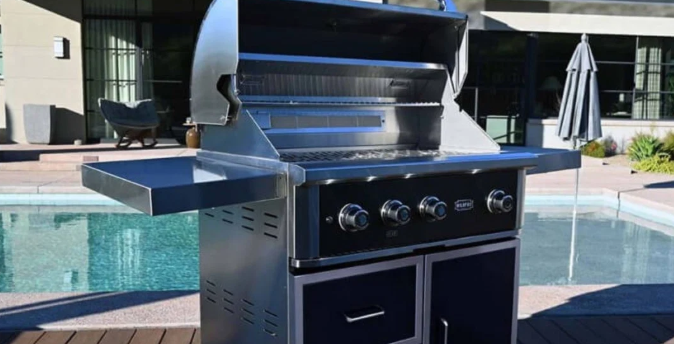
High-heat grilling has become one of the more talked-about trends in backyard cooking, with manufacturers pushing temperatures well beyond what traditional grills offer. A 1500°F grill sounds impressive on paper, but the real question most buyers want answered is simple: does that extra heat actually translate into a better cooking experience, or is it just a marketing number?
This honest breakdown looks at what a 1500°F grill actually delivers, who benefits most from that level of heat, and whether it’s a worthwhile investment for your backyard setup.
Why High-Heat Grilling Has Gained Popularity
Traditional grills typically top out somewhere between 500-700°F, which is more than enough for most everyday grilling. So why the push toward 1500°F? The answer lies primarily in searing performance. Restaurant-style steakhouses often use extremely high heat to create a deep, caramelized crust on meat in a very short amount of time, locking in juices while keeping the interior perfectly cooked.
Home cooks who want that same steakhouse-quality sear have driven demand for grills capable of reaching similarly extreme temperatures.
See also: Common Reasons Claims for Aetna Wegovy Coverage Are Denied
What Actually Happens at 1500°F
At this temperature range, searing times drop dramatically. A steak that might take several minutes per side on a standard grill can develop a deep sear in under a minute at 1500°F. This rapid searing helps lock in moisture while minimizing the time meat spends in the temperature danger zone that can lead to overcooking.
Beyond steaks, high-heat grilling also performs well for:
- Searing scallops and other delicate seafood quickly
- Charring vegetables for restaurant-style presentation
- Achieving professional-level grill marks in seconds
- Cooking thinner cuts of meat without drying them out
Who Actually Benefits From This Level of Heat
Not every backyard cook needs 1500°F capability. This feature tends to matter most for:
Steak enthusiasts who prioritize achieving a perfect, restaurant-quality sear at home.
Frequent entertainers who want to impress guests with fast, professional-looking results.
Cooks who value speed and want to minimize cooking time without sacrificing quality, especially useful during larger gatherings.
For those who primarily grill burgers, hot dogs, or vegetables at moderate temperatures, this level of heat may be more than what’s actually needed day-to-day.
Potential Drawbacks to Consider
Honest reviews need to address trade-offs, not just benefits. A few things worth considering before investing in a high-heat grill:
Steeper learning curve – Cooking at extreme temperatures requires more precise timing, since food can go from perfectly seared to overcooked very quickly.
Higher fuel consumption – Reaching and maintaining 1500°F typically uses more fuel than standard grilling temperatures.
Price point – Grills capable of this performance level often come at a premium compared to standard models.
Limited necessity for casual cooks – If searing performance isn’t a priority, this feature may not justify the added cost.
How It Compares to Standard Outdoor Cooking
For everyday outdoor cooking, a standard grill in the 500-700°F range handles the vast majority of backyard meals perfectly well. The 1500°F category is best understood as a specialized upgrade rather than a replacement for versatile, everyday grilling equipment.
Making the Right Investment for Your Backyard
Before deciding, it’s worth stepping back and considering your overall outdoor cooking equipment needs. If you’re building out a full backyard setup, whether that includes a grill, pizza oven, or griddle, it’s important to prioritize based on how you actually cook most often, rather than chasing the most extreme spec available. A well-rounded collection of outdoor cooking equipment often serves most households better than a single ultra-high-heat unit used only occasionally.
Final Verdict: Is It Worth It?
For dedicated steak lovers and frequent entertainers who value speed and searing quality, a 1500°F grill can be a genuinely worthwhile investment. The performance difference is real, not just marketing hype. However, for casual cooks who primarily grill everyday meals at moderate temperatures, the added cost and learning curve may not deliver enough practical benefit to justify the upgrade.
Final Thoughts
A 1500°F grill isn’t a gimmick, it delivers real, noticeable results for high-heat searing applications. But whether it’s “worth it” ultimately depends on your cooking habits and priorities. For those who value steakhouse-quality searing at home, it’s a strong investment. For more casual, everyday grilling, a standard grill likely remains the more practical choice.
FAQ
1. Is 1500°F necessary for everyday grilling?
No, most everyday grilling, like burgers, vegetables, and chicken, performs well at standard temperatures between 500-700°F.
2. What foods benefit most from 1500°F grilling?
Steaks and other proteins that benefit from a fast, deep sear see the biggest advantage, along with quick-charring vegetables and delicate seafood like scallops.
3. Does a 1500°F grill use more fuel than a standard grill?
Yes, reaching and sustaining that level of heat typically requires more fuel consumption compared to standard grilling temperatures.
4. Is high-heat grilling harder to master?
It can be, since food cooks much faster at extreme temperatures, requiring more attention and precise timing to avoid overcooking.
5. Should beginners start with a 1500°F grill?
Not necessarily. Beginners may benefit more from mastering standard grilling temperatures before moving to specialized high-heat equipment.